
People Are Who They’re Allowed to Be, Manager Edition
This article is the Manager Edition and 3rd in the “People Are Who They’re Allowed to Be” series. This edition explores how manager allowance creates the team, why Units work better than KPIs, and the secret to unlocking “potential.”
1st article, An Introduction, found here.
2nd article, Company Edition, found here.
The observer-expectancy effect. You’re used to one person behaving well and are surprised when they act “out of line” but don’t bat an eye when the usual troublemaker, once again, acts up. You’ve observed your team long enough to know what to expect, and it causes you to look for the patterns and can lead to confirmation bias and unequal treatment.
But what does this do? It’s no different than the CEO that teaches firefighting (see the Company Edition of this series for more).
You teach people that they only have to perform to the level you expect from them.
Without great care, you teach people that this expectation is not expecting people to perform to the job’s standard, but to the level you’ve learned to tolerate from the individual. As you do this, it creates favoritism and an imbalance of workload.
Ultimately, it creates a dichotomy of superstars and underperformers.
Manager Allowance Creates the Team
But, superstars are the ones you want on your team, right?
They’re the “unicorns” that always go above and beyond. They put out all the fires. They take on all the extra work that comes up. They’re reliable. They volunteer to pick up the extra slack.
They’re safe.
And yes. Unicorns exist out in the wild. You can find them and hire them. But, more often than not, superstars aren’t found, they’re created.
Manager allowance for underperformers creates superstars.
That’s right. Superstars are a created necessity due to managers allowing and tolerating underperformers. Because managers don’t hold underperformers accountable, superstars pick up the slack.
It is important to call out: the inverse is also true!
Manager allowance for superstars perpetuates underperformers.
When underperformers are allowed to stay on the team and perform less work, they leave teams in a bind. That bind, the necessary work that still must get done, creates the need for superstars to make ends meet.
But, let’s change the word “superstar” to “overperformer.”
When you label “superstars” as “overperformers,” you begin to realize how burnout happens.
People say they love superstars, but what happens when they leave? Things crumble. And it’s apparent this kind of behavior isn’t sustainable when you start using the word “overperformer” instead of superstar or superhero.
Beyond always operating over capacity, one of the main reasons overperformers leave is because they see that underperformers are tolerated. The best and brightest on your teams will leave because they cannot bear to see ‘lazy’ coworkers get rewarded. If they don’t leave, they become disillusioned with hard work and fall into the “not caring” stage. None of these outcomes are what you want!
To be clear, managers are asked to do a lot. They walk the tightest of tightropes, balancing demands from the company, their employees, and the work that must be done. None of the information written here blames the manager. After all, sometimes the manager’s hands are tied due to poor decision making from their superiors.
This article does, however, shed light on the issue of over and underperformers so that something can be done.
Units Work Better Than KPIs
As a manager, you have company-mandated metrics, often in the form of KPIs. Whether you have store quotas or customer support tickets to handle, the company expects your team metrics to be up to snuff.
And, these are necessary. These team metrics are useful measures to help management make informed decisions about how the company is doing. They report on how the team is doing at the end of the day. But…
Good team output does not mean team individuals are OK with the division of labor.
When you look only at the team metrics, you miss that one person in a team of 10 might be doing 50% of the work. This is even supported by adages like, “If you want something done, give it to a busy person,” or, “20% of your workforce does 80% of the labor.” (Read more about the Pareto principle.)
But what does this really do?
When you allow people to fall into this imbalance, you run the risk of giving a single employee the power to ruin your department. This is why Units work better than KPIs.
Units provide individual measures that hold each team member accountable.
The Healthy Company Framework teaches Units per Group as the individual measure. These are called “Units” because they are categories of routine work your team (or Group) does.
Let’s take the business-to-business sales role as an example. Each of your sales reps must do each of the following things:
Cold calls
Discovery Calls
Demos
Proposals
Contracts
These five things may be your “Units” for the Sales group. They’re the individual activities each person must do to complete, or achieve, their company measures.
The company measures things like total revenue and number of units. It’s common to apply company measures individuals and think you have Units. Individuals also likely have revenue and unit quotas.
But.
Company measures rarely track the activities that lead to the desired outcome.
You, the manager, are responsible for measuring the individual level of detail for your group.
So, in addition to the company KPIs, use Units to help individuals understand what they must do to be successful. When you do this, you get a better understanding of how each of your direct reports contributes to the company metrics, not just performs to them.
Units are the cure for the power imbalance between overperformers and underperformers.
When you notice your overperformers contributing too much, step in and check on them. Make sure they have breathing room. Maybe step in and take something off their plate.
When you notice your underperformers are routinely letting others do their work, write them up. Hold them accountable.
After all, people are who they’re allowed to be. If you allow the overperformer to burn out, they will. If you allow the underperformer to get away with not working, others will notice. The behavior will spread, and you’ll wind up wishing you had done more.
The Secret
Units are also the secret to how you can unlock the potential of employees.
Star employees who “aren’t living up to their potential” may be the ones waiting on you, the person in power, to stop allowing bad behavior.
When you allow bad behavior, you teach people, “I won’t protect you from becoming an overperformer. In fact, you’ll have an easier time if you’re an underperformer.”
My question today is:
What will you do with this knowledge?
If you’re looking for help in applying this knowledge, let us know. I created Company Connections to help companies just like yours.
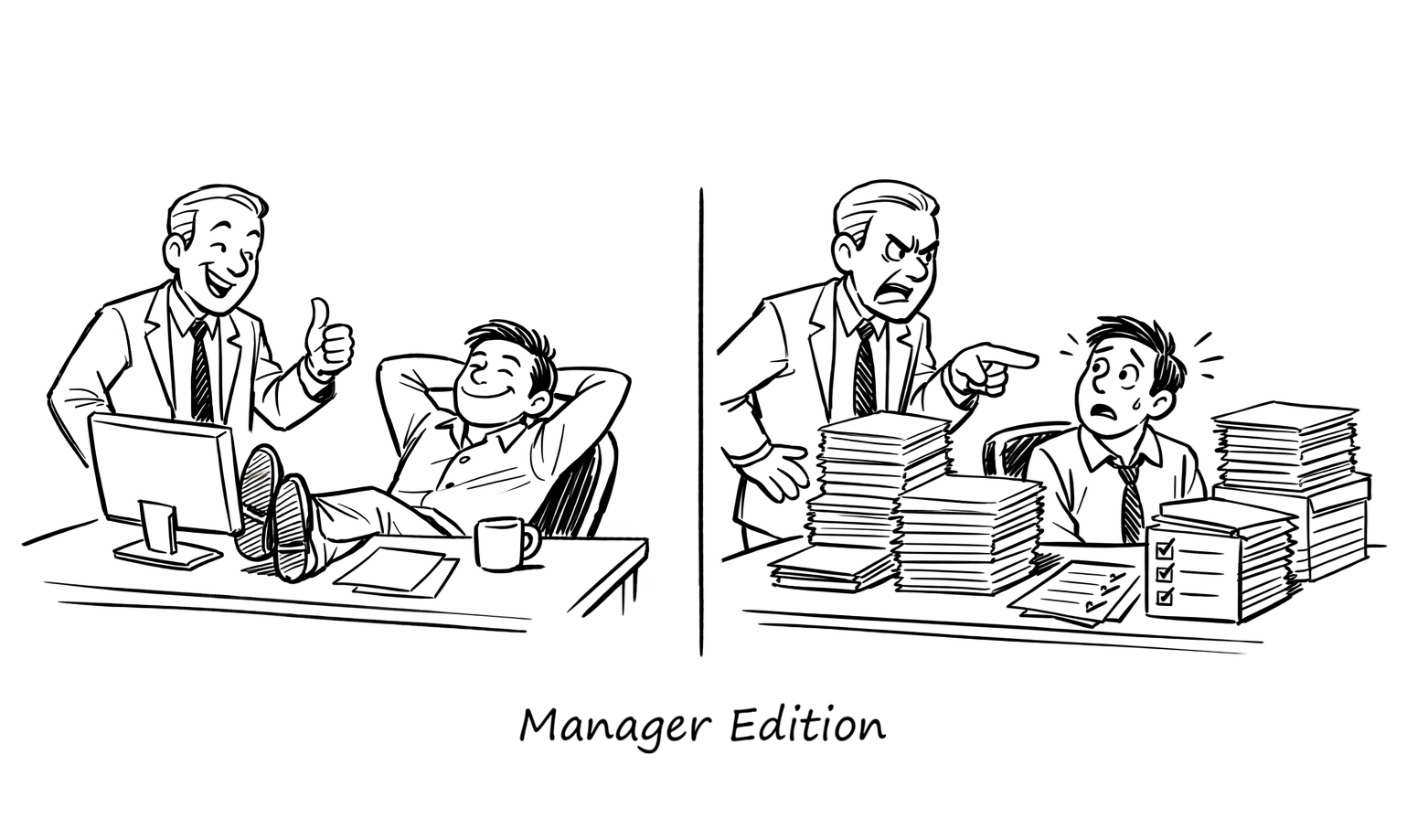
People are who they’re allowed to be. What do you allow from your under and overperformers?