
People Are Who They’re Allowed to Be, Personal Edition
This article is the Personal Edition and 4th in the “People Are Who They’re Allowed to Be” series. This edition asks, “What do I allow?”, explores the impact, and identifies steps to take back control.
1st article, An Introduction.
2nd article, Company Edition.
3rd article, Manager Edition.
What Do I Allow?
A simple question. Let’s apply it in a few different ways.
Think about the people around you. What do you allow from them? Do you allow them to belittle you in front of your peers? Strangers? Your family?
What do you allow from others at work? Do you allow people to push their deadlines on you and still work miracles every time? Do you allow schedules to shift and change without protest?
More sharply, what do you allow from yourself? Do you allow yourself to miss your own personal commitments to others? What about the commitments you make to yourself?
What about the shackles you place on yourself? This, too, is a form of allowance. The limits you impose on yourself—are they truly yours? Or are they the voice of ghosts who wanted you to stay small and controllable?
Does this sound familiar?
“Oh, I can’t do [this or that thing you really want to do] because of [fluff reason].”
Each of these things is a way to examine the question, “What do I allow?”
It’s an important question to ask, too. Asking this question often reveals where you need boundaries.
(I recommend Nedra Tawwab Glover’s Set Boundaries, Find Peace. Boundaries don’t control what others can do; they set the expectation of how you will react when a boundary has been crossed.)
Let’s look at what happens when you ignore the real answers to this question.
The Impact
When you ignore the question, “What do I allow from other people?” you tolerate things you don’t like.
You might find you don’t enjoy hanging out with your friends. You may not like how you feel after you leave your interaction. You might reflect and realize you don’t like who you are when you are with them.
When you think about work, you might feel like a doormat. Maybe you don’t like that you’ve lost your voice. Perhaps you’re always saving the day without appropriate recognition (including compensation).
When it comes to living your favorite life, maybe you look back and have a life filled with things you wish you had done.
And here is where most of the impact comes from:
Ignoring what you allow from other people builds frustration, hurts relationship depth, and leads to abandoning yourself.
And I get it. As a recovering people pleaser (which is a form of manipulation), it’s tough to recognize these things about oneself. But doing nothing is a decision.
So, what can you do about it?
Take Back Control
Do the work to understand what got you here today and take action to move towards where you want to be.
Think of your most frequent or frustrating experience you want to stop allowing from others.
Do you have that in mind? Great!
Next, go through this list:
Understand your values
Evaluate your experiences
Define what will be different
Understand your values. It’s important to know what your non-negotiables are. Ask yourself, as many times as it takes, “What am I no longer willing to ignore?” For those who feel like they allow too much, one of the best ways to improve is to have a “prepared answer” to how far you’re willing to budge.
You’re used to and most practiced at eroding your own boundaries. Find the ‘backstop,’ and use those backstops as leverage to push off against.
It’s important to note, “values” in this context might look like, “I value my alone time.” It might look like, “I need to keep my workout time sacred.” Or, “I will not sacrifice dinner with my family anymore.” Don’t limit yourself to what others might call a value.
Values are deeply personal. Make them personal to you.
Evaluate your experiences. After you’ve found them, apply those values to that experience. Is someone pushing you too far? Have they gone past your values? Where are those moments where you don’t like what happened? Repeat this over and over until you feel like you know what happened.
Define what will be different. Having identified your values and applied them to the situation, ask yourself, “What will be different next time?” When you’re in a situation that’s happened multiple times, your body will want to default to what’s normal (read: familiar), not what’s best.
So, prepare an answer. “What will I do or say differently next time this thing comes up so that I have the outcome I want?”
It’s a simple formula, but it works. Use it over and over.
And, when you run out of situations to apply it to, find a question that gets you moving. Perhaps try, “Will I regret not doing this action?”
Most people regret the things they don’t do.
I’m not talking to everyone with this advice. But when it comes to those who allow too much from other people at the expense of yourself, take heart. Be bold. Do the things you know you won’t regret and do them with a full heart.
This concludes the initial four-part series, “People Are Who They’re Allowed to Be.” These concepts are universal and very human. They are also part of what The Healthy Company Framework protects in your business and why Company Connections exists. If any of this series has resonated with you, let us know. I’d love to help you on your journey.
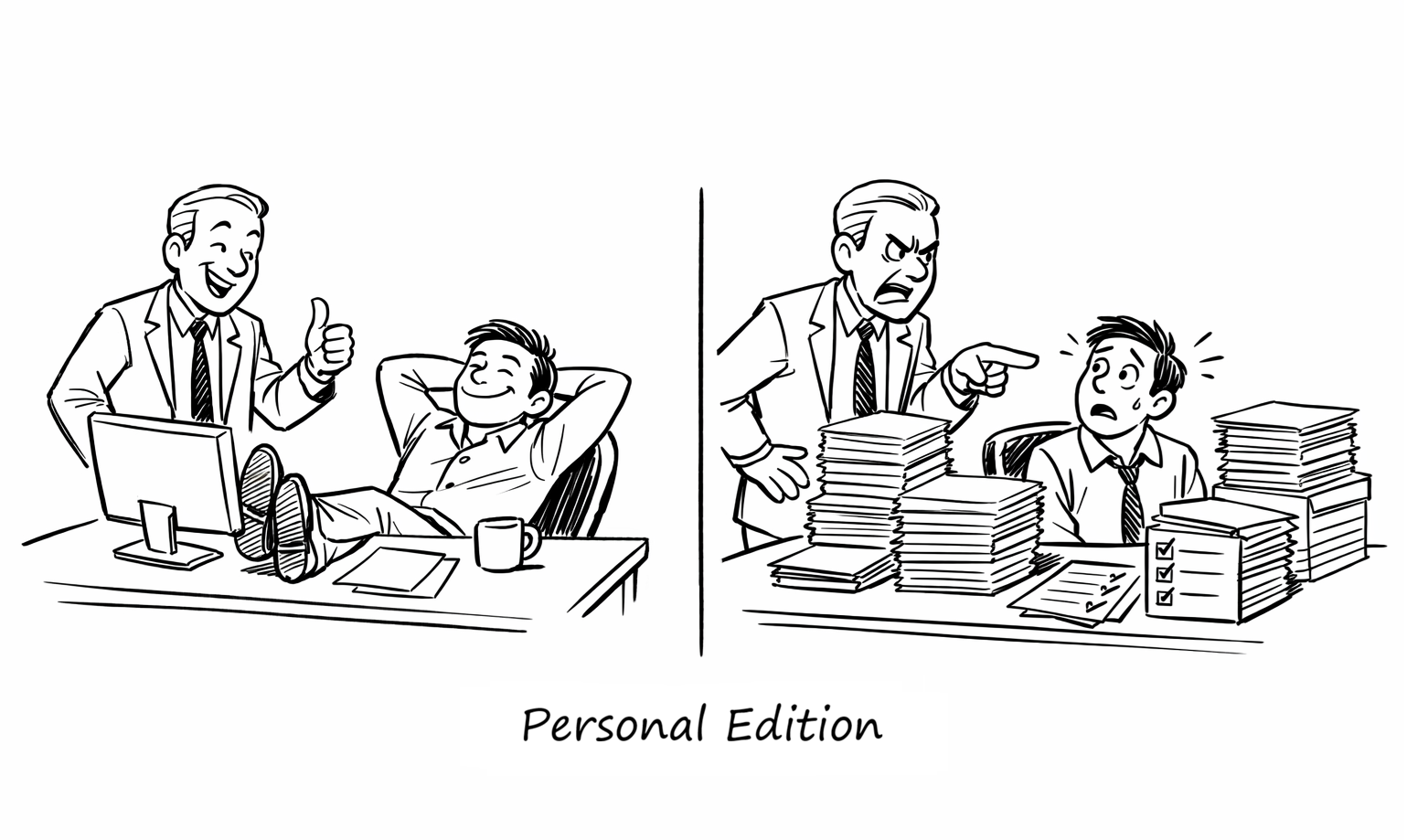
People are who they’re allowed to be, including what you allow from others. Do you have a plan to change what you allow?