
The Manager Who Cried Wolf and the Power of Predictability
This article demonstrates the catastrophe of constant change, power of predictability, and some tips for those who change too much.
It is the first in a series and continues with How Purposes Allow Predictable Patterns to Change and Adapt published May 26th, 2026.
People want to be good at the things they do. Be the leader that lets them.
The Catastrophe of Constant Change
“This is how we’re going to do it from now on.”
“It’ll take a lot of work, but I can make it happen!” I replied, eager to help set a new precedent.
But, after the 10th time of ‘setting a new precedent,’ I began to feel like the villagers of the boy who cried wolf. Every time a new deal came up, something new had to be done. But, we weren’t set up to be a boutique shop. We were trying to automate and achieve high volume. Let me assure you: it’s tough to automate chaos! Not only did this lead to my own wasted time but caused delays in getting deals signed. If you’re not familiar with sales—time kills all deals!
At various points in my life, including this one, I let my people pleasing get the better of me as I worked with people who, under the illusion of progress, thought every new idea was better than the last.
And I get it. ‘The only thing constant is change,’ (or whatever Heraclitus said, if indeed it was him who said it). But, perhaps there’s more weight in Jean-Baptiste Alphonse’ quote,
“The more things change, the more they stay the same.”
That is to say, most every business is doing the same thing we humans have always done: trade goods and services for others’ goods (even in monetary form) and services.
Let me tell another story about how this impacts even one’s personal pursuits.
I play trombone. I own 3 trombones, each one “better” than the last. I own a few different mouthpieces, each one with their own pros and cons. But, for each of these, I played on the same setup for no less than 18 months before making a change. Why is this? First of all, I am always developing as a player (even if it’s been a while since I last played…), so there are things I do different each time I play, even though I strive not to. Second, each new feature, be it a mouthpiece, bell, slide bore, or metal type for the tuning slide, has its own characteristics. One might sound brighter, have more bite, or respond better. But, are these changes something I can take advantage of as I am? Usually not. If I get a slide with a bigger bore, my lung capacity might need a few days to adjust.
I say all of this to demonstrate something that was epitomized in one of my colleagues. It was often joked that this person changed something about his instrument every few weeks. He changed it so often, he never allowed himself to get good at it! He’s a phenomenal musician, and I think he plays just fine. I have wondered how much better he might sound if he stuck with the same setup for a while.
If you’re not a musician, maybe you can relate to this in terms of the person who always has a new set of golf clubs. After all, the hardest part about golf isn’t hitting a great golf shot. It’s doing it again, back-to-back (to back).
The point of these stories is this:
If you don’t give people the chance to get good at something, you’ll never have experts.
And that’s where the real power comes from.
The Power of Predictability
Think about the best businesses you’ve interacted with. What set them apart?
For me, my best experiences were rarely hinged upon one individual. It was the whole staff. Everyone wasn’t just working together. Everyone was an expert in their own right. It may not be that everyone knew everything, but everyone knew everything about their area of expertise. Beyond this, if the request was outside their area of expertise, they knew the person who could answer your problem. And, it was like this with each and every interaction I had with them.
When you do things in a repeatable, predictable way, you give people a chance to become experts.
This means you cannot “turn the ship around” every week. You can’t come in with a new flavor of the day, make it your new best thing, and replace it tomorrow. When you do this, you teach people to not believe what you say.
Ask yourself: Am I the manager who cries wolf?
It also means you can’t create a new way of doing business every time you interact with a customer. Remember, the more things change, the more things stay the same.
When you stick with predictable patterns, you’ll start to notice these changes in your business:
You move faster. Things calm down. You’re no longer putting out fires and chasing after ghosts. And when you’re not reacting, you’re able to do something better: anticipate. You and your team, though you seem to be moving slower, will find you’re moving smoother. That’s how you become faster.
Workloads feel lighter. When you know what you’re doing, when you can anticipate things you know how to manage, you end up carrying more with less effort. You’ve figured out the mechanics of how to do the thing, and as a result, find it takes less effort than before.
Changes last. Predictability isn’t about never changing. It’s about adding small changes that actually last. Lasting habits are what creates companies that survive any conditions.
For those who change too much
If you struggle with this and are prone to constantly changing your mind, be intentional with change. To do this:
Stay focused on the outcome. If you’re prone to making new deals with each new customer or fear the results you want to see are happening too slowly, shift your focus to the outcome you want. Let your team help you come up with what the “how” looks like.
Give people multiple paths to success. Help people understand not just what success looks like, but the few key, important elements that need to be met along the way. Allow people the flexibility to win in multiple ways. In the business world, there are often multiple ways to achieve a successful outcome.
Demonstrate communication. You must be the best communicator, especially when you’re trying to implement change. And remember, being a communicator requires you to listen!
If you’re struggling with this, or if you’d like to learn more about how to make these positive traits part of your own business, let us know. We can help. Because when you create predictability in your business, you provide people with the chance to become good at something. This elevates your business and promotes positive growth as you gain market share.
People want to be good at the things they do.
Be the company, be the leader, that lets them.
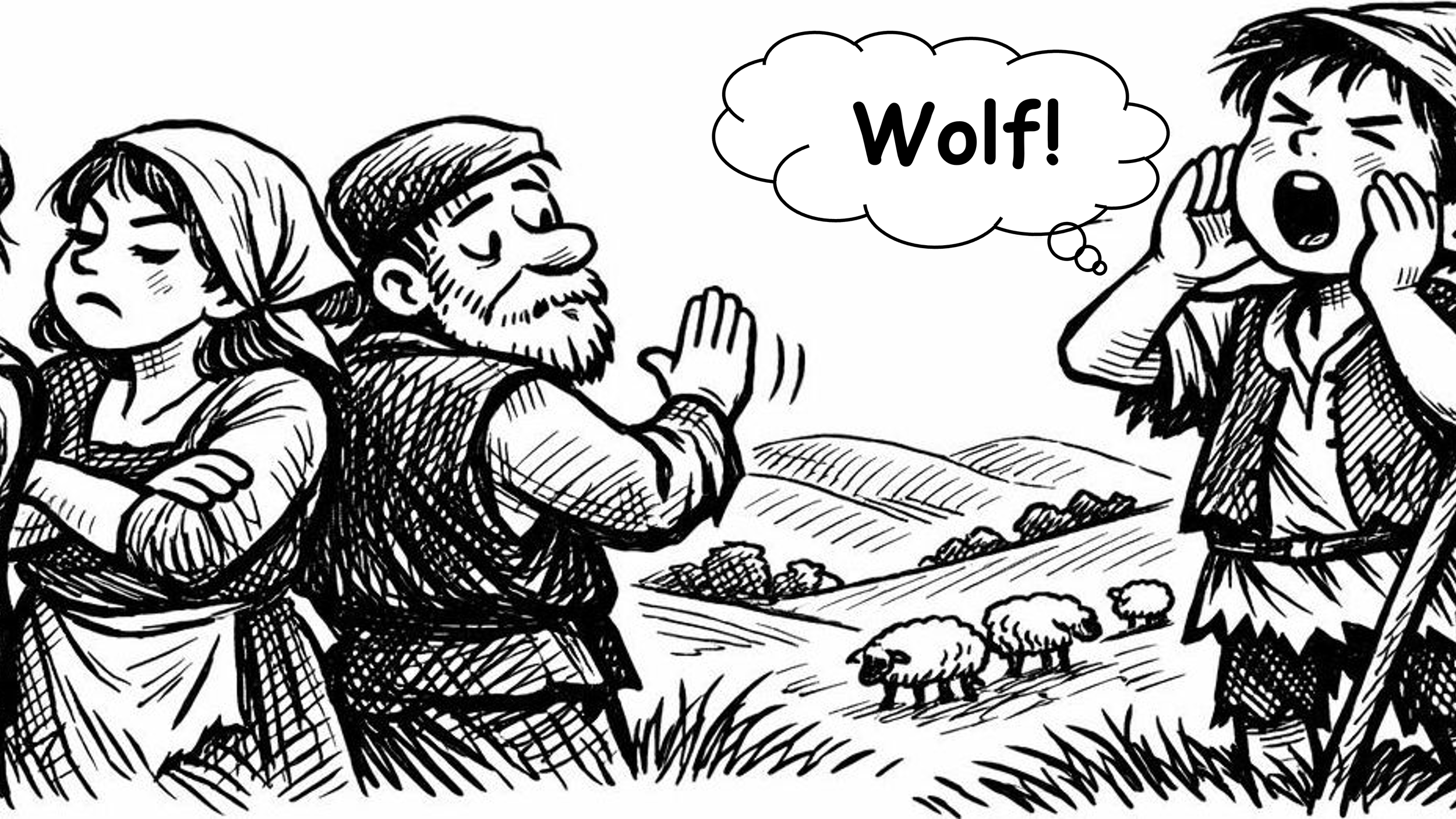
Like the boy who cried wolf, some managers change too often for their employees to ever get good at their job. Create experts by learning how to create lasting change.