
I’ll Know It When I See It
Read why “I know it when I see it” isn’t a business strategy, the impact on your business, and why having a clear vision helps everyone.
“I’ll know it when I see it.”
I asked someone what they were looking for, and this was the response I received.
As someone whose default is to find solutions and to “fix” things, this was frustrating.
How can I help someone who doesn’t know what they’re looking for?
I was assured they do know what they’re looking for, but they just couldn’t put into words.
In one sense, I could relate. I’ve had several times in my life when I didn’t have a clear picture of what I wanted, but when I saw it, I knew that’s what I had been searching for. Most often, this comes up when I’m looking in the pantry for a snack or the fridge for what I might make for dinner.
But, as a business owner, it’s a horrible strategy. Yes, it offers flexibility, but when it comes to leading people, especially people who are fixers and are trying to solve problems, the “I’ll know it when I see it,” approach often feels like moving goal posts.
Have you ever played a game where the “goal” kept moving? Where the rules kept changing?
Let’s unpack why this isn’t a business strategy, how it impacts your business, and why having a clear vision is the solution.
Business Strategy
The story of Ferdinand Magellan is one many of us know. He was the Portuguese explorer who is famed for circumnavigating the globe. What’s interesting about that over-simplified notoriety is that he himself did not circumnavigate the globe. He led the expedition to the East Indies and believed the trip could be done by sailing, more or less, in one direction. He believed one could sail around the planet and set that vision.
He died just over the age of 40 in the Philippines. His crew (or what remained of it) completed the first known trip around the globe.
I like this story because the vision of sailing around the world is one that was seen through to the end, even without the person who set it. That is to say, his vision outlasted him and was not dependent on him.
Many businesses become synonymous with the founder and breaking from that can be difficult. But when you cast a vision that surpasses any individual, those involved will take it farther than the founder could have imagined.
But what does this have to do with moving goal posts?
Suppose, instead of setting a clear vision of making it to the East Indies and sailing back the same direction so they could sail around the world, he simply said, “We’re going to sail west.”
“Ok, and then what?” his potential crew would ask.
“I dunno. I’ll know it when I see it.”
Not only would he never have left harbor, but he never would have had a crew to keep the ship going, either!
He had to set a clear vision of where he wanted to go and had to know what that looked like.
When you have a direction you want your business to go, when you have a new market to penetrate, or even a challenging problem of how sales or delivery might evolve to keep with changing demands, you can’t simply say, “It needs to be different. I’ll know it when I see it.”
Let’s explore the impact doing this has.
The Impact
When you lose focus, have an undefined vision, and keep moving the goal posts, you impact two very important groups of people:
Employees
Customers
While uncertain times are ripe with great opportunities, businesses thrive in consistency. When you can anticipate the usual ebbs and flows of revenue, you make decisions with confidence. You know when to hire, expand, conserve, and when you can make big changes without impacting things too much.
But what about your employees? If you keep saying, “We need to get better,” and, “I’ll know it when I see it,” people begin to feel they’ll never be good enough.
When your efforts will never be good enough, what do you do?
If you’re like most people, you give up. “Well, it doesn’t matter if I work harder or don’t work harder, the boss is going to say it’s not good enough anyway.” People start “acting their wage,” and you know? They’re right.
Why should people work harder and harder when the objectives keep changing? Why would people want to work longer hours away from their families and passions when the boss can come in and say, “Oh, that’s not what I meant,” and, “We still can’t give you a raise, but thanks for helping stop that revenue loss and increasing our profit margins!”
If you find your employees are less engaged than they used to be, take a moment and consider,
Do I keep moving the goal posts?
For further reading, read about The Manager Who Cried Wolf.
Customers also suffer when you operate in an, “I’ll know it when I see it,” mindset.
Customers expect from you what they believe is owed, whether you’ve shown it or not. So, if you’re struggling with rapid growth and your quality is eroding but your reputation says you’re the best there is, what do customers expect?
They expect the best, of course!
But when you say, “We’re going through some growing pains and we’ll get back to where we were,” only to have an increasingly disenfranchised workforce, your customers will feel lied to. Maybe they know you’re trying, but frankly, they’ve already got a bitter taste in their mouth. Once that bitterness enters the relationship, it’s tough to erase.
If you find your customer base is telling you more and more, “We’re not as happy we used to be,” or, “I’m noticing some cracks in the armor,” ask yourself:
Are we delivering the same value we once were?
And, I implore you to take off the rose-colored glasses when you ask this. It can be hard, especially for C-suites, to really know the reality of this question. Ask front line employees. Ask to speak to the real consumers of your products and services, not just the buyers and the C-suites.
But, no one wants to negatively impact either their employees or their customers, let alone both. So what’s the antidote?
A Clear Vision
Much like the voyage Magellan set out to complete, Visions set where your company is headed. They should have three key criteria:
Action
Who
Benefit
What actions will your company take, who are they for, and to what benefit? You may have a company vision. You might use the word mission instead of vision. Regardless of what you already have or what you call it, make sure it has these three areas.
This is imperative because Vision helps people moving in the same direction. People talk about wanting alignment and use other buzzwords that, if we’re being honest, are just that. Buzzwords. What thing of substance sits behind those buzzwords? If you have a clear vision that explains what your company does, who it does these things for, and to what benefit, then you’re on your way to implementing the right antidote to, “I’ll know it when I see it.”
Vision is the first step. Purposes are the second.
You must also have clear Purposes. Purposes are for each group or department cascading down from the CEO. So, the CFO needs a Purpose for their team. The divisions below the CFO need Purposes. The COO needs a Purpose. The divisions below the COO need Purposes. Each of these need to have their own action, who, and benefit.
Why?
Because Purposes explain why one’s work matters and cut through the gray.
When you have a direction you want your business to go, when you have a new market to penetrate, or even a challenging problem of how sales or delivery might evolve to keep with changing demands, you can’t simply say, “It needs to be different. I’ll know it when I see it.”
But, in these situations, you might not know the details, either.
Instead of deflating the employee who worked really hard to solve a mutually agreed upon problem, you start operating with the same baseline. “The company is headed in this direction, and we know the purpose of your group, so we can see exactly how this helps us on our path,” becomes the conversation.
Your employees will feel heard. They will understand why their work matters. They will be connected to the Vision. And when they do the incredible things that wow you when you see them, you’ll know, “Man, here’s yet another example of why need to take care of those who are helping us do the impossible.”
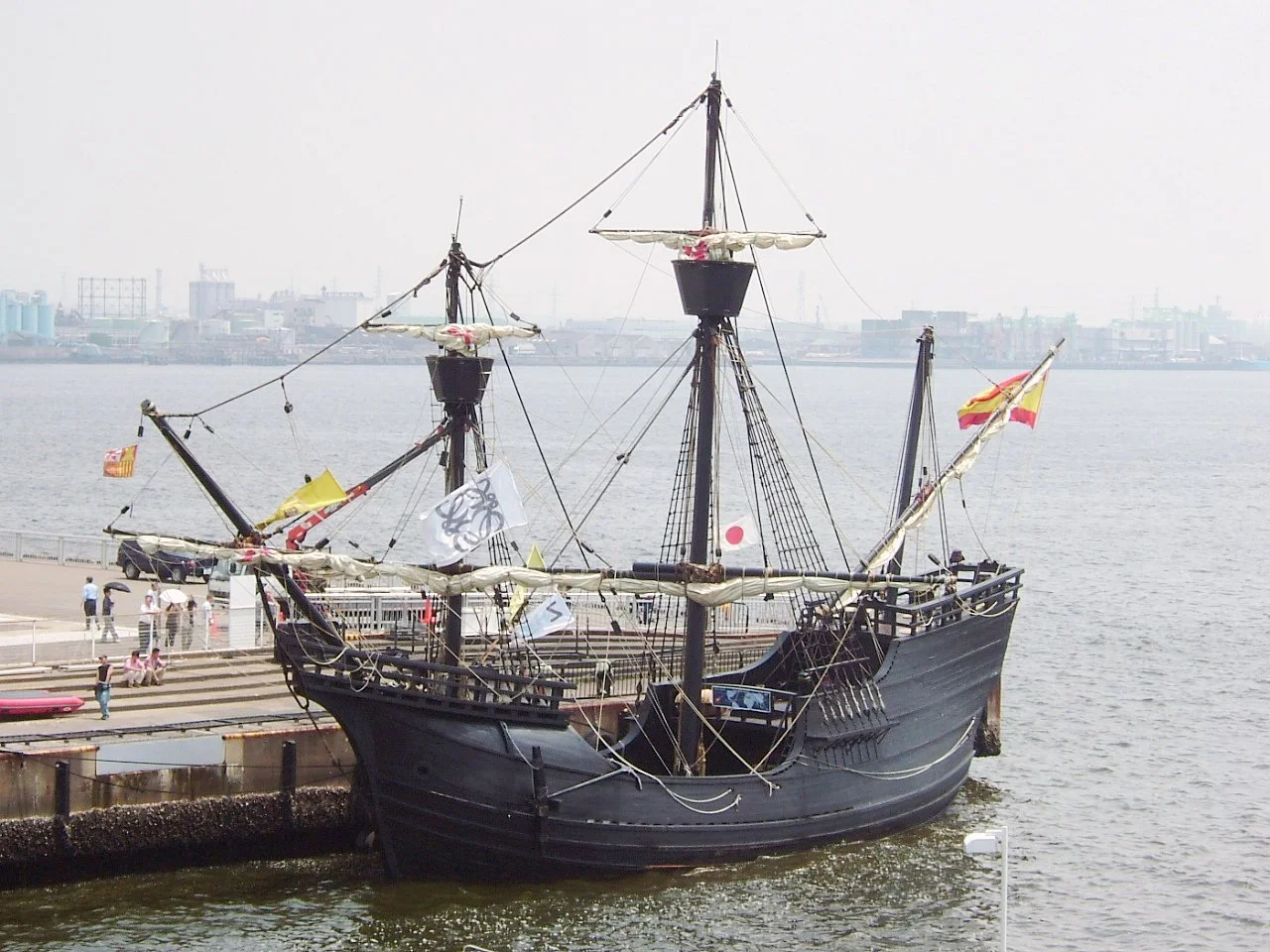
When it comes to your business, make sure you know the destination before you set sail.